
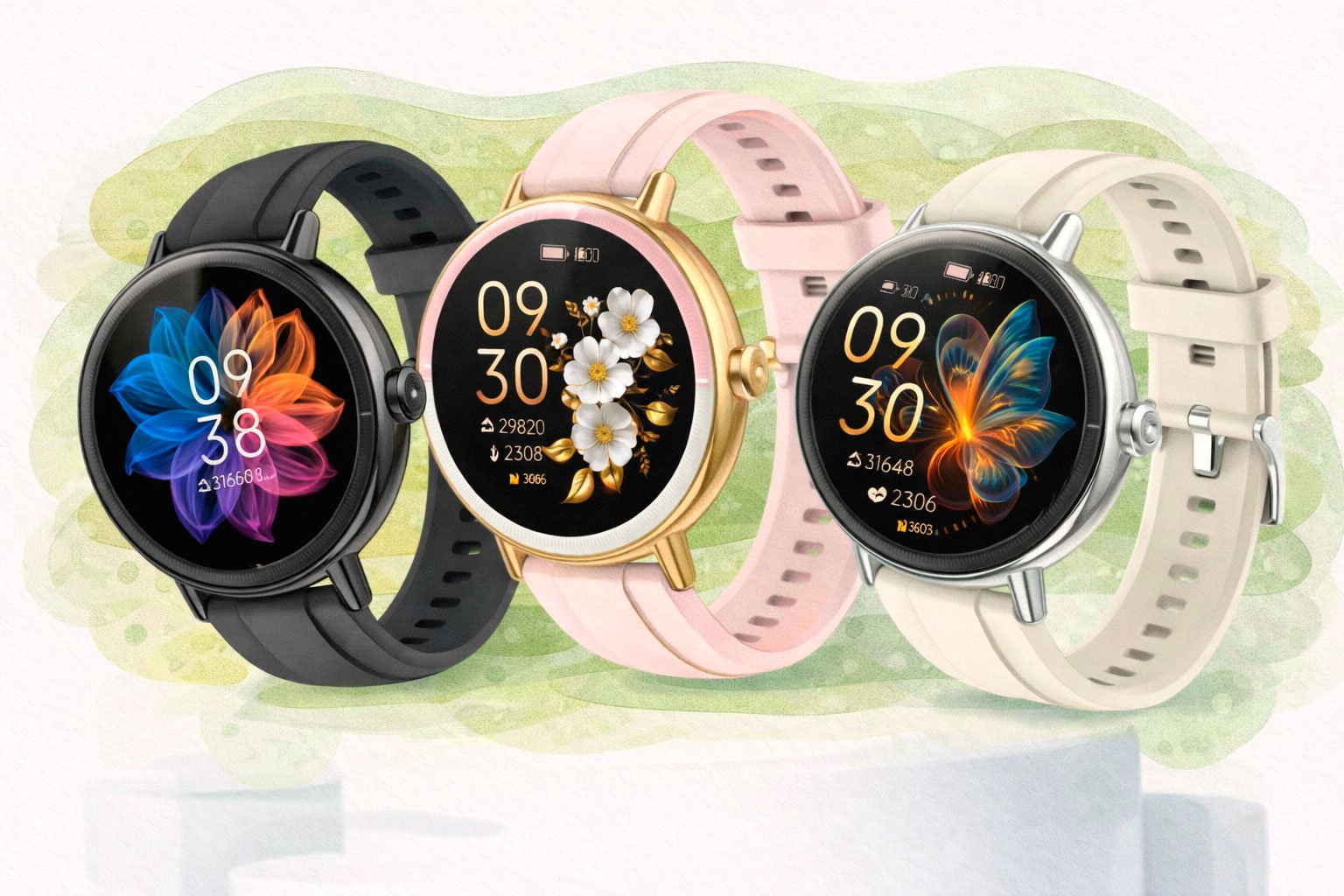
When people buy a budget smartwatch, they usually focus on features — steps, heart rate, notifications. But after years of wearing fitness devices myself (and watching clients use them), I’ve learned the real value comes from how you use the watch, not just what it can do. Here’s the practical wisdom most manuals never explain.
Hidden Features That Are Actually Useful
Some tools seem minor — until you try them.
Sedentary reminders
These are underrated. A gentle vibration every hour helps break long sitting periods. Great for circulation and back health.
Breathing exercises
Not just “wellness fluff.” Slow guided breathing can lower heart rate and help during stress spikes or before sleep.
Phone finder
Sounds simple, but when your phone is buried in a bag or lost in the house, this saves time daily.
Remote camera control
Helpful for group photos or posture checks during home workouts.
Alarm with vibration
More gentle than sound alarms — especially useful if you wake up early and don’t want to disturb others.

Smart Ways to Use Health Data
Data is helpful only when you look at trends, not single numbers.
Heart rate
Don’t panic over one high reading. Look for patterns:
- Resting heart rate rising over several days → possible fatigue, illness, or stress
- Very low resting rate with dizziness → talk to a doctor
Sleep tracking
Focus on consistency, not perfection.
Short sleep + high stress + low activity recovery = your body asking for a lighter day.
SpO₂ readings
Occasional drops are normal.
Repeated low values (especially with fatigue or breathlessness) → worth discussing with a physician.
Your watch is not a doctor — but it can be a good early-warning notebook.
Signals You Shouldn’t Ignore
A smartwatch should never replace medical advice, but it can help you notice changes.
Consider checking with a doctor if you see:
- Resting heart rate suddenly 15–20 bpm higher than usual for days
- Frequent unexplained heart rate spikes while resting
- Repeated very low sleep quality with exhaustion
- Dizziness or chest discomfort during mild activity
Use the data as conversation support, not diagnosis.
Water, Sweat & Daily Wear Care
Budget smartwatches are tough — but not invincible.
After salt water (sea swimming)
Rinse the watch with clean fresh water. Salt damages seals over time.
After heavy sweat
Wipe the back sensor area. Sweat buildup can cause skin irritation and reduce sensor accuracy.
Let your wrist breathe
If your skin gets irritated:
- Switch wrists at night
- Loosen the strap slightly
- Remove the watch for 1–2 hours a day
Clean the strap regularly with mild soap and water.
Battery Life: How to Make It Last Longer
Most budget smartwatches use lithium polymer batteries. Typical lifespan:
2–3 years before noticeable capacity drop.
To slow aging:
- Avoid draining to 0% often
- Don’t leave it at 100% for days on the charger
- Keep brightness at a reasonable level
- Turn off “raise to wake” if you don’t need it
- Reduce constant SpO₂ monitoring if battery drains too fast
Heat is the enemy. Don’t leave your watch in a hot car.
Everyday Practical Habits
Wear it consistently
Fitness data only makes sense when it reflects your normal routine.
Charge before it dies
Short, regular charges are better than full deep discharges.
Update the app
Software updates often improve accuracy and battery management.
Don’t over-tighten
Too tight reduces comfort and can distort heart rate readings.
Final Thought
A budget smartwatch isn’t about perfection. It’s about awareness. When used wisely, even an affordable device can help you move more, rest better, and notice when your body needs attention. That’s the real “smart” part.